

Concrete preparation is one of the most important steps in any floor coating project. A coating can only perform as well as the surface underneath it — if you don’t prep the concrete properly, you’ll likely run into adhesion problems, peeling, bubbling, cracking, and premature failure.
Professional contractors — like the team at Brush Brothers Coatings — take the time to inspect, clean, repair, and profile the concrete before applying a coating to ensure best results and maximum durability.
If you’re planning a concrete floor coating project, keep reading to learn why it’s so important to prep the concrete, some mistakes to avoid, and the role of the professionals at Brush Brothers Coatings.
Why You Need to Prep the Concrete
Coatings need a clean, structurally sound, properly textured surface in order to bond effectively. Concrete can contain dirt, dust, oil, grease, old coatings, moisture, curing compounds, paint, or chemical residue that may affect the coating’s ability to create a bond with the concrete. There’s a difference between concrete that simply looks clean and concrete that is actually ready for coating.
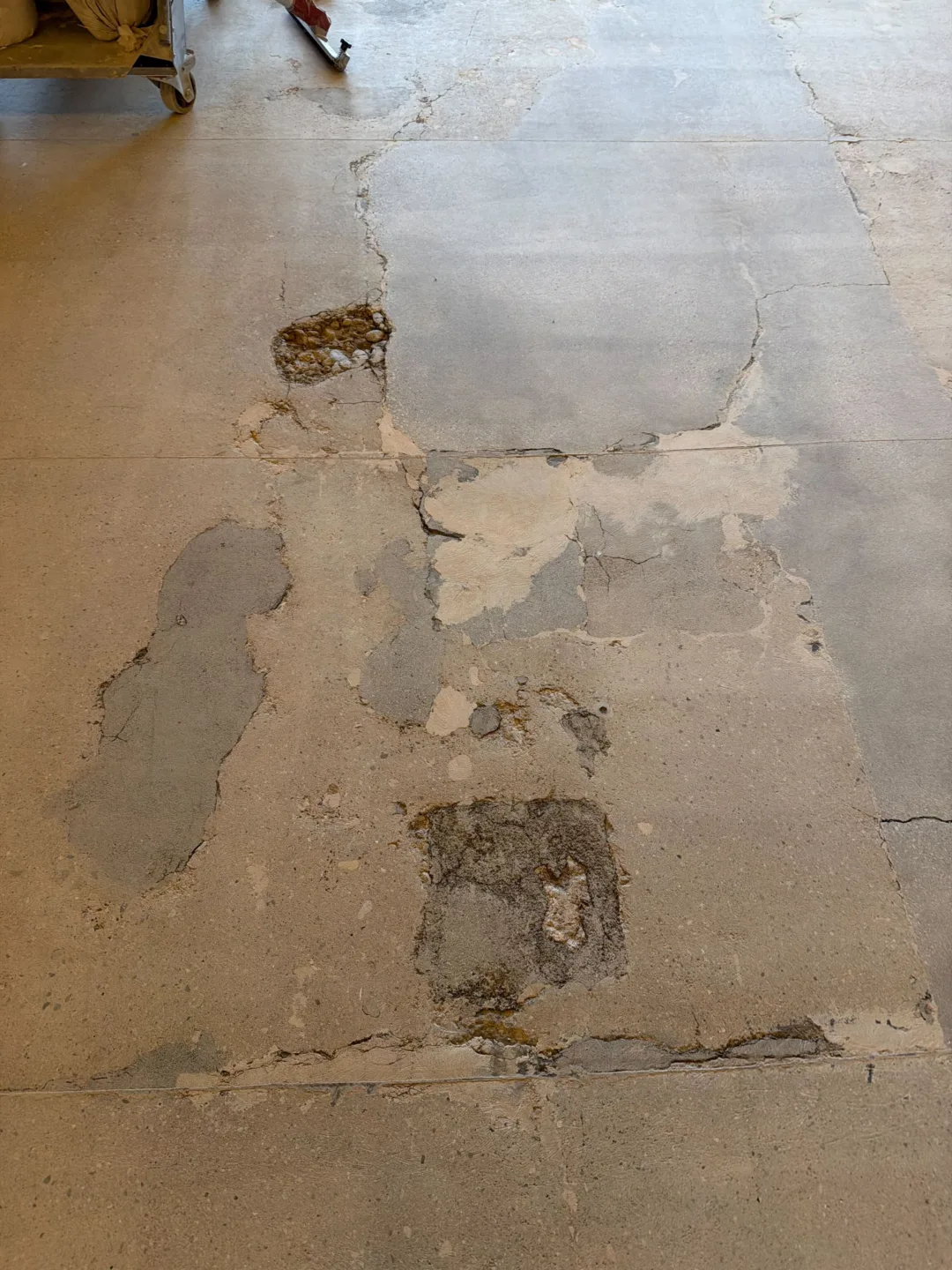
What Can Happen if You Don’t Properly Prep the Concrete
If you don’t properly prep the concrete, you may run into a variety of issues, including:
- Poor coating adhesion: Contaminants and improperly textured concrete can prevent the coating from bonding, leading to flaking, lifting, or peeling.
- Peeling and delamination: When you don’t properly prepare the concrete, the coatings may separate from the concrete. Vehicle traffic, forklifts, equipment, impacts, and temperature changes can make the problem worse.
- Bubbling and blistering: Trapped moisture, contaminants, or air can contribute to bubbling and blistering. This is why moisture testing is essential before applying a coating — simply covering a moisture problem doesn’t solve the underlying issue.
- Cracking and surface defects showing through: Coatings don’t automatically correct concrete’s structural or surface problems like cracks, spalling, pits, holes, and deteriorated areas. Necessary repairs should be completed before coating.
- Uneven or inconsistent appearance: Differences in the concrete surface can affect the appearance of the finished coating, creating an uneven texture or inconsistent glossiness. Prepping the concrete properly helps create a more uniform finished floor.
- Premature coating failure: Inadequate preparation can significantly shorten the life of a coating system. Even if it initially looked good, it may begin failing much sooner than expected, which means additional repair costs, downtime, and disruption.
Avoid These Common Mistakes When You Prep the Concrete
Now that you know the possible consequences of failing to prep concrete properly before coating, let’s go over some common preparation mistakes to avoid:
- Skipping mechanical surface preparation: Grinding, shot blasting, and other mechanical preparation methods are necessary to remove contaminants and create the right surface profile for bonding.
- Relying only on cleaning: Sweeping or mopping alone may not be enough to set your floor up for coating success. There’s a difference between removing visible dirt and preparing the concrete for coating.
- Ignoring oil and chemical contamination: Oil and chemical residues can interfere with adhesion, which is why it’s crucial to identify and address contaminated areas before coating.
- Coating over an existing coating without evaluation: The existing coating must be assessed for adhesion, condition, compatibility, and suitability. Simply adding a new layer over a coating that’s already failing won’t solve any problems.
- Failing to address moisture: Moisture vapor can prevent the coating from bonding with the concrete. That’s why it’s so important to evaluate the moisture conditions before installation.
- Applying coating to weak or damaged concrete: Loose, weak, or deteriorated concrete must be addressed before coating — otherwise, the coating will likely fail.

How to Prep the Concrete Properly
If you want to prep the concrete properly, start with an inspection of the concrete. Identify any cracks, damage, contamination, moisture concerns, and previous coatings that will need to be addressed.
Once you’ve identified any areas of concern, it’s time to remove dirt, grease, oils, and other contaminants. After that, use mechanical preparation methods to achieve the appropriate surface profile, then repair cracks, pits, spalls, or other damaged areas. Next, thoroughly remove the dust and debris from the surface and complete a final inspection.
After you prep the concrete, it’s time to apply the coating. Make sure you select the appropriate coating system based on the condition and intended use of the floor.
Trust Brush Brothers Coatings to Prep the Concrete Properly
It takes extra time to properly prep the concrete, but it’s critical to the coating performance. At Brush Brothers Coatings, we’re dedicated to ensuring your coating not only looks great, but adheres properly to the concrete and stands the test of time. We thoroughly prep the concrete before coating to help prevent adhesion failure, peeling, bubbling, and other defects.
If you’re a property owner or facility manager, contact our experienced floor coating contractors today to get started.